Most homeowners spend time and money protecting their homes from obvious threats like fires, storms, and break-ins. However, one of the most expensive and unpleasant problems often goes unnoticed until it’s too late—a sewer backup. When wastewater begins flowing back into your home, the damage can happen quickly. Floors, walls, furniture, and personal belongings may all be affected within minutes.
The unfortunate reality is that many sewer backups occur without warning. A blocked sewer line, heavy rainfall, aging pipes, or a failing sump system can all cause wastewater to back up into basements, bathrooms, and utility rooms. Cleaning up afterward is not only costly but also stressful and potentially hazardous to your family’s health.
This is where a sewer backup alarm system becomes incredibly valuable. Instead of discovering a problem after water has already spread throughout your home, the alarm alerts you at the earliest sign of rising wastewater. That extra time can make the difference between a minor maintenance issue and thousands of dollars in repairs.
you’ll learn how sewer backup alarm systems work, why every home can benefit from one, and how this simple device provides peace of mind while protecting your property.
ALSO READ: How To Prevent Pipework Freezing This Winter
Understanding A Sewer Backup Alarm System
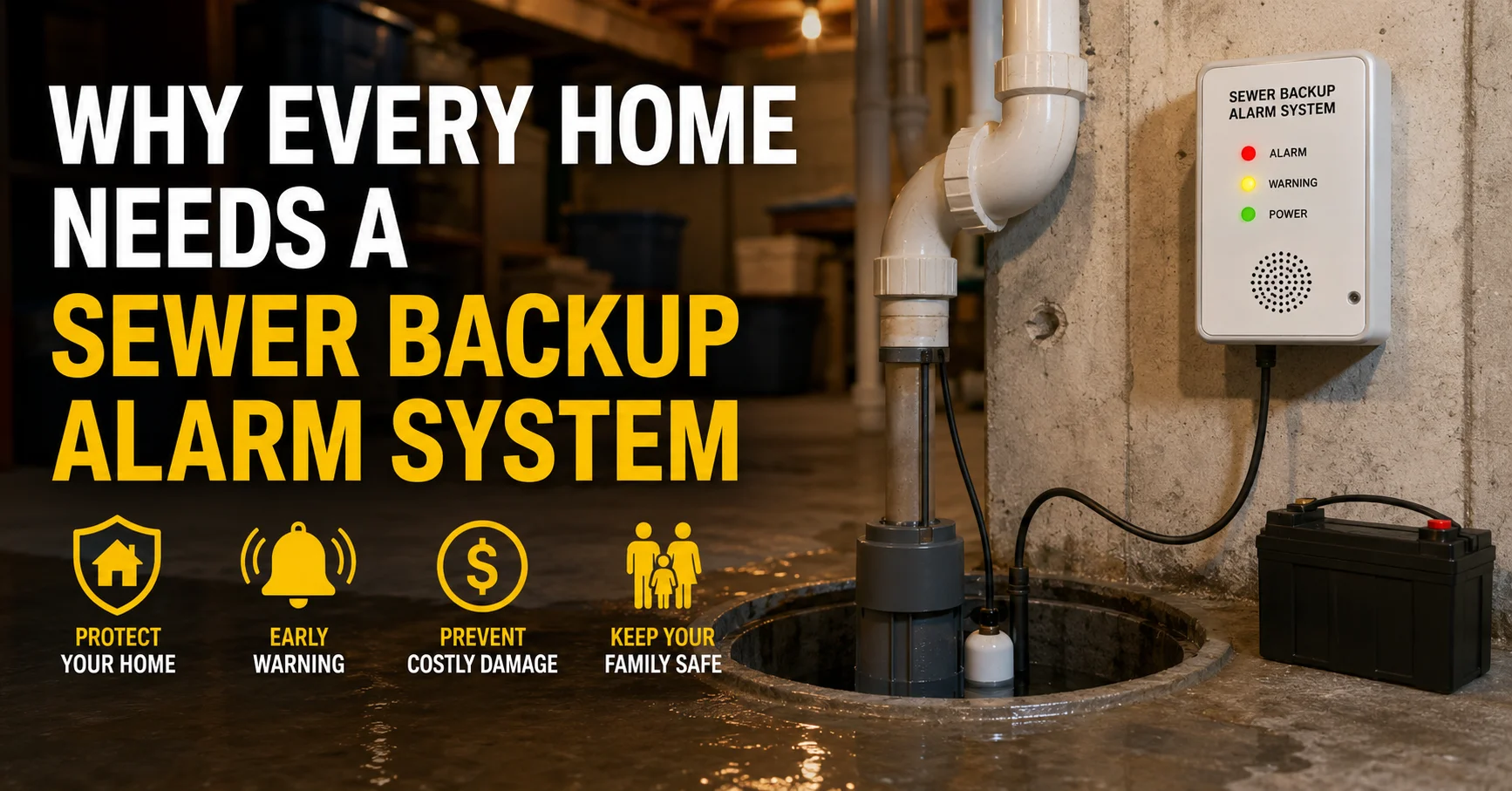
A sewer backup alarm system is an early warning device designed to detect rising wastewater levels inside a sewer line, sump pit, lift station, or sewage basin. Once water reaches a preset level, the system immediately activates an audible alarm, a flashing light, or even sends a notification to your smartphone, depending on the model.
Unlike pumps or backwater valves that actively prevent flooding, an alarm system focuses on early detection. It tells homeowners that something isn’t functioning properly before wastewater enters living spaces.
Most systems include:
- A water level sensor or float switch
- An alarm unit with sound and visual alerts
- Battery backup for power outages
- Optional wireless or smart home connectivity
This straightforward setup provides continuous monitoring without requiring constant attention from homeowners.
Why Sewer Backups Are More Common Than Many People Think
Many people assume sewer backups only happen during severe storms. While heavy rainfall certainly increases the risk, backups occur for many different reasons throughout the year.
Common causes include:
Tree Root Intrusion
Tree roots naturally seek moisture and can grow into small cracks in underground sewer pipes. Over time, roots expand and create major blockages that restrict wastewater flow.
Grease and Household Waste
Cooking grease, wipes labeled as “flushable,” paper towels, hygiene products, and other debris gradually build up inside sewer pipes.
Eventually, wastewater cannot flow properly and begins backing up into the home.
Aging Sewer Infrastructure
Older neighborhoods often have sewer systems that have served for decades. Cracked, collapsed, or deteriorating pipes become more vulnerable to backups as they age.
Heavy Rainfall
Municipal sewer systems can become overwhelmed during intense storms. When public sewer lines reach capacity, wastewater may reverse direction and enter residential plumbing systems.
Pump Failure
Homes with sewage ejector pumps or sump pumps depend on these systems to remove wastewater. If the pump fails because of mechanical issues or power outages, water levels rise rapidly.
The Hidden Costs Of Sewer Backup Damage
Many homeowners underestimate how expensive sewer backup restoration can become.
Damage often includes:
- Flooring replacement
- Drywall repairs
- Furniture replacement
- Mold remediation
- Electrical inspections
- Professional sanitation
- Plumbing repairs
- Temporary relocation expenses
Because sewage contains bacteria and harmful contaminants, professional cleaning is usually necessary. Even after visible water is removed, hidden moisture inside walls and flooring may create long-term mold problems.
A relatively inexpensive alarm system can help reduce the likelihood of extensive damage by providing valuable warning time.
How A Sewer Backup Alarm System Protects Your Home
The greatest advantage of a sewer backup alarm system is early detection.
Instead of discovering sewage after it has flooded your basement, the alarm activates when water first reaches an abnormal level.
This allows homeowners to:
- Turn off water usage immediately
- Contact a plumber sooner
- Prevent additional wastewater from entering the system
- Protect valuables stored in lower levels
- Reduce cleanup costs
The earlier you know there’s a problem, the more options you have to minimize damage.
Peace Of Mind During Heavy Storms
Heavy rain creates anxiety for many homeowners, especially those who have previously experienced flooding.
A sewer backup alarm system continuously monitors water levels even while you’re sleeping or away from home.
Rather than constantly checking the basement, you can rely on the system to notify you if conditions become dangerous.
Many newer models even send smartphone notifications, allowing homeowners to respond quickly from virtually anywhere.
Protecting Finished Basements
Finished basements often contain:
- Home theaters
- Family rooms
- Guest bedrooms
- Offices
- Gyms
- Children’s playrooms
These spaces represent significant investments.
Even a small sewer backup can damage carpeting, drywall, furniture, electronics, and personal belongings.
Installing an alarm system provides an additional layer of protection for these valuable living spaces.
Preventing Health Risks
Sewage isn’t simply dirty water.
It often contains:
- Harmful bacteria
- Viruses
- Parasites
- Mold spores
- Toxic gases
Exposure may lead to serious health concerns if cleanup isn’t handled properly.
Early detection reduces exposure by allowing homeowners to address the issue before contamination spreads throughout the house.
Keeping wastewater contained also helps protect children, elderly family members, and pets.
Saving Money On Repairs
A sewer backup alarm system is one of those home improvements that may never seem exciting—until it prevents a disaster.
Consider the difference:
Without an alarm:
- Flooded basement
- Damaged furniture
- Mold growth
- Large restoration bills
With an alarm:
- Early warning
- Faster response
- Smaller cleanup area
- Lower repair costs
Many homeowners recover the cost of the alarm system by avoiding just one major incident.
Ideal Homes For Sewer Backup Alarm Systems
Although every property can benefit, some homes face higher risks than others.
These include:
Older Homes
Older plumbing systems are generally more susceptible to clogs, cracks, and deterioration.
Homes with Basements
Basements naturally sit below the main sewer line, making them one of the first places wastewater enters during backups.
Homes Near Large Trees
Extensive tree root systems often invade underground sewer lines.
Flood-Prone Areas
Communities that experience frequent heavy rain or stormwater issues have greater sewer backup risks.
Homes Using Sewage Pumps
Any property relying on ejector pumps or lift stations should consider installing an alarm system to monitor pump performance.
Features To Look For When Choosing A Sewer Backup Alarm System
Not every alarm offers the same level of protection.
Important features include:
Loud Audible Alarm
Choose a system that produces a strong alarm that can easily be heard throughout the home.
Battery Backup
Power outages often occur during severe weather.
Battery backup ensures the alarm continues operating when electricity is unavailable.
High Water Detection
Reliable sensors accurately monitor water levels without frequent false alarms.
Visual Warning Lights
Bright flashing indicators help identify alarms quickly, especially in noisy environments.
Smart Notifications
Some modern systems send alerts directly to smartphones through Wi-Fi or cellular connections.
This feature is especially useful for homeowners who travel frequently.
Easy Installation
Many residential systems are designed for straightforward installation by homeowners or professional plumbers.
Sewer Backup Alarm System vs. Backwater Valve
Many homeowners confuse these two products.
They actually perform different functions.
Sewer Backup Alarm System
- Detects rising wastewater
- Warns homeowners immediately
- Helps prevent extensive damage
- Requires homeowner action
Backwater Valve
- Physically blocks sewage from flowing backward
- Works automatically
- Prevents reverse flow into plumbing fixtures
The best protection often comes from using both together rather than choosing one over the other.
Maintenance Tips For Long-Term Reliability
Fortunately, sewer backup alarm systems require minimal maintenance.
To keep them operating properly:
- Test the alarm regularly.
- Inspect sensors for debris buildup.
- Replace batteries as recommended.
- Verify wireless notifications if applicable.
- Schedule annual plumbing inspections.
- Keep the surrounding area clean.
Routine maintenance only takes a few minutes but helps ensure dependable performance when needed most.
Common Signs That You May Need One Immediately
Some homes already show warning signs of developing sewer issues.
Pay attention if you notice:
- Slow draining sinks
- Multiple drains clogging at once
- Gurgling toilets
- Frequent basement moisture
- Sewage odors
- Water backing up after heavy rain
These symptoms may indicate underlying sewer problems that deserve prompt inspection.
Adding an alarm system provides additional protection while plumbing issues are investigated.
Smart Home Integration Is Becoming More Popular
Today’s homeowners increasingly prefer connected home technology.
Many newer sewer backup alarm systems integrate with smart home platforms, allowing users to:
- Receive real-time alerts
- Monitor water levels remotely
- Check battery status
- Review alarm history
- Stay informed while traveling
This level of convenience makes monitoring much easier than traditional alarm-only systems.
Insurance Benefits And Risk Reduction
While insurance policies vary, many providers encourage homeowners to reduce water damage risks through preventive measures.
A sewer backup alarm system demonstrates proactive home maintenance and may support faster response during emergencies.
Even when insurance covers certain damages, avoiding the disruption, cleanup, and inconvenience is often the greatest benefit.
Why Waiting Until After A Backup Is Too Late
Many homeowners only begin researching sewer protection after experiencing a costly backup.
Unfortunately, by then the damage has already occurred.
Prevention is almost always less expensive than restoration.
Installing a sewer backup alarm system before problems develop gives homeowners valuable warning time and greater control during unexpected plumbing emergencies.
It’s a small investment that can protect one of your largest investments—your home.
Conclusion
A sewer backup is one of the most unpleasant and expensive home emergencies anyone can face. The damage goes beyond ruined flooring and furniture, often involving hazardous wastewater, costly cleanup, and days or even weeks of disruption. Fortunately, homeowners don’t have to rely on luck alone.
A sewer backup alarm system provides an early warning when water levels begin rising, giving you valuable time to respond before a minor issue becomes a major disaster. Whether your home has an older plumbing system, a finished basement, or simply faces occasional heavy rainfall, this simple device adds an extra layer of protection and peace of mind.
Protecting your home isn’t only about repairing problems after they happen—it’s about preventing them whenever possible. Investing in a reliable sewer backup alarm system today can help safeguard your property, reduce repair costs, and keep your family safer for years to come.
FAQs
What is a sewer backup alarm system?
A sewer backup alarm system is a device that detects rising wastewater levels and alerts homeowners before sewage backs up into the home.
How does a sewer backup alarm system work?
It uses a sensor or float switch to monitor water levels. When the water rises above a safe level, the alarm activates with sound, lights, or smart notifications.
Can a sewer backup alarm prevent flooding?
It doesn’t stop flooding directly, but it provides an early warning so you can take action before significant damage occurs.
Does every home need a sewer backup alarm system?
While it’s especially beneficial for homes with basements, older plumbing, or sewage pumps, any home connected to a sewer system can benefit from early warning protection.
How often should a sewer backup alarm system be tested?
Most manufacturers recommend testing the system every few months and checking the batteries regularly to ensure reliable operation.
ALSO READ: Zingyzon.com: A Simple Guide To Features And Benefits

Evelyn is a technology writer and researcher specializing in software development, artificial intelligence, and emerging digital systems. With hands-on experience in building and analyzing modern tech solutions, she focuses on translating complex technical concepts into clear, practical insights for developers, entrepreneurs, and curious readers.